
Best skilled trades for career changers
The trades can be resilient because buildings, systems, equipment, and emergencies still need people. The best choice depends on your body, schedule tolerance, math comfort, and local apprenticeship options.
Trades To Compare First
- Electrician: strong licensing structure, technical problem solving, and a long training path.
- HVAC technician: faster entry in some markets, strong repair demand, seasonal pressure.
- Plumber: essential service work, licensing moat, and physically demanding conditions.
- Industrial maintenance technician: equipment troubleshooting in factories, plants, and facilities.
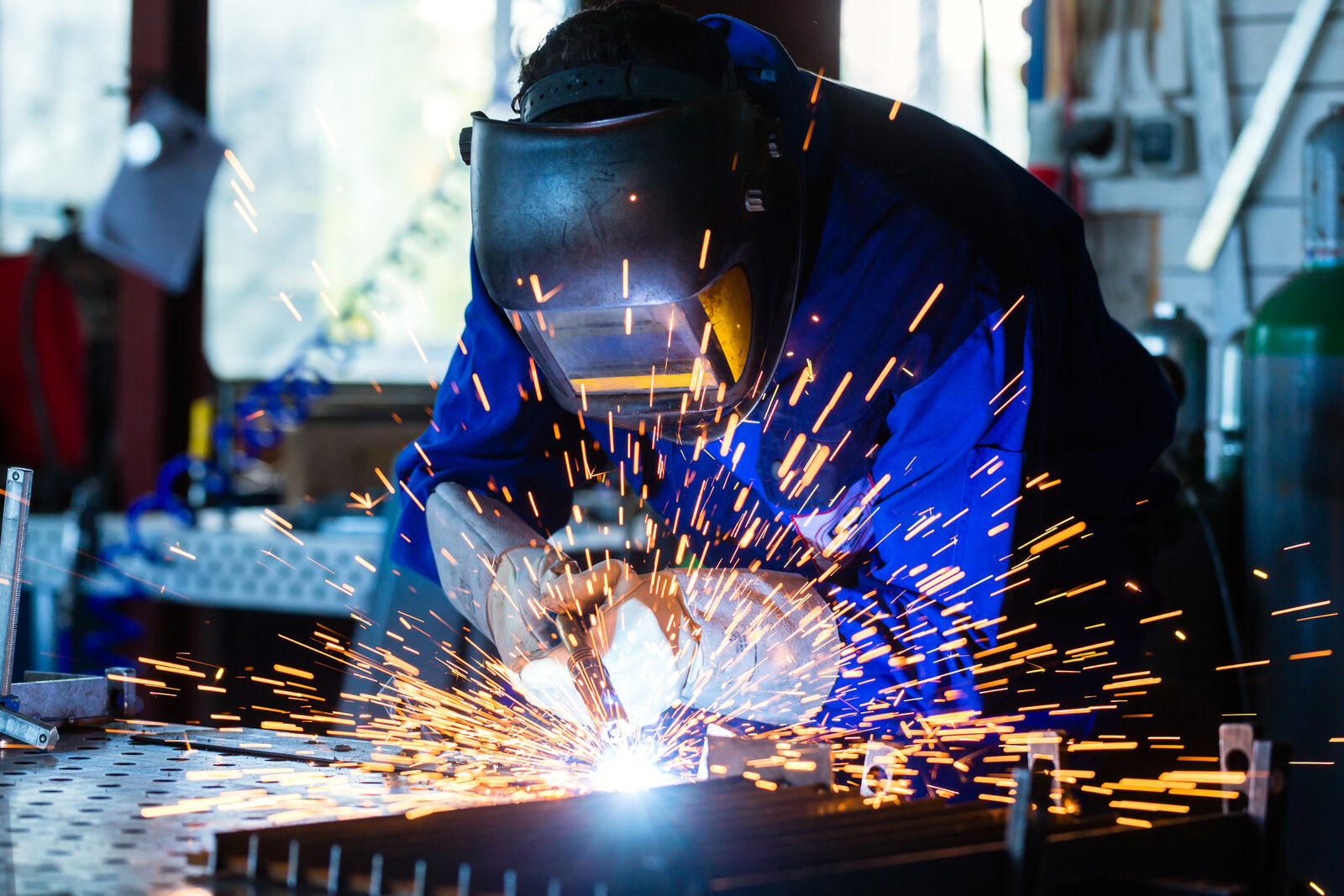
- Welder: hands-on fabrication skill, but pay and stability vary by industry.
- Solar installer: physical work tied to energy infrastructure, with market cycles to watch.
- Appliance repair technician: local repair work with customer interaction and route schedules.
- Building inspector: a later-career trade-adjacent path that values code knowledge and experience.
Apprenticeship vs School
Apprenticeships can let you earn while training, but they can be competitive and may require patience. Trade school can be faster to start, but it costs money and may not guarantee placement. Local employer demand matters more than marketing promises.
Fit Questions
- Can you handle heat, cold, ladders, crawlspaces, or heavy tools?
- Do you want emergency calls or predictable project work?
- Does your state require licensing for the trade?
- Are union and nonunion paths both available nearby?
Best First Step
Call one union apprenticeship office, one community college, and one local contractor. Ask what an entry-level person should do first. If all three answers point in the same direction, you have a real starting path.