
Best jobs for people who like fixing things
Repair work can be resilient because broken equipment creates immediate local demand. The best path depends on what you want to fix: homes, vehicles, machines, medical devices, or infrastructure.
Repair Careers To Compare
- HVAC technician: heating and cooling systems, diagnostics, seasonal demand, and customer service.
- Electrician: installation, troubleshooting, safety, and licensing.
- Industrial maintenance technician: machinery, production lines, sensors, motors, and downtime pressure.
- Medical equipment repairer: healthcare devices, safety, calibration, and technical documentation.
- Appliance repair technician: local service calls and practical troubleshooting.
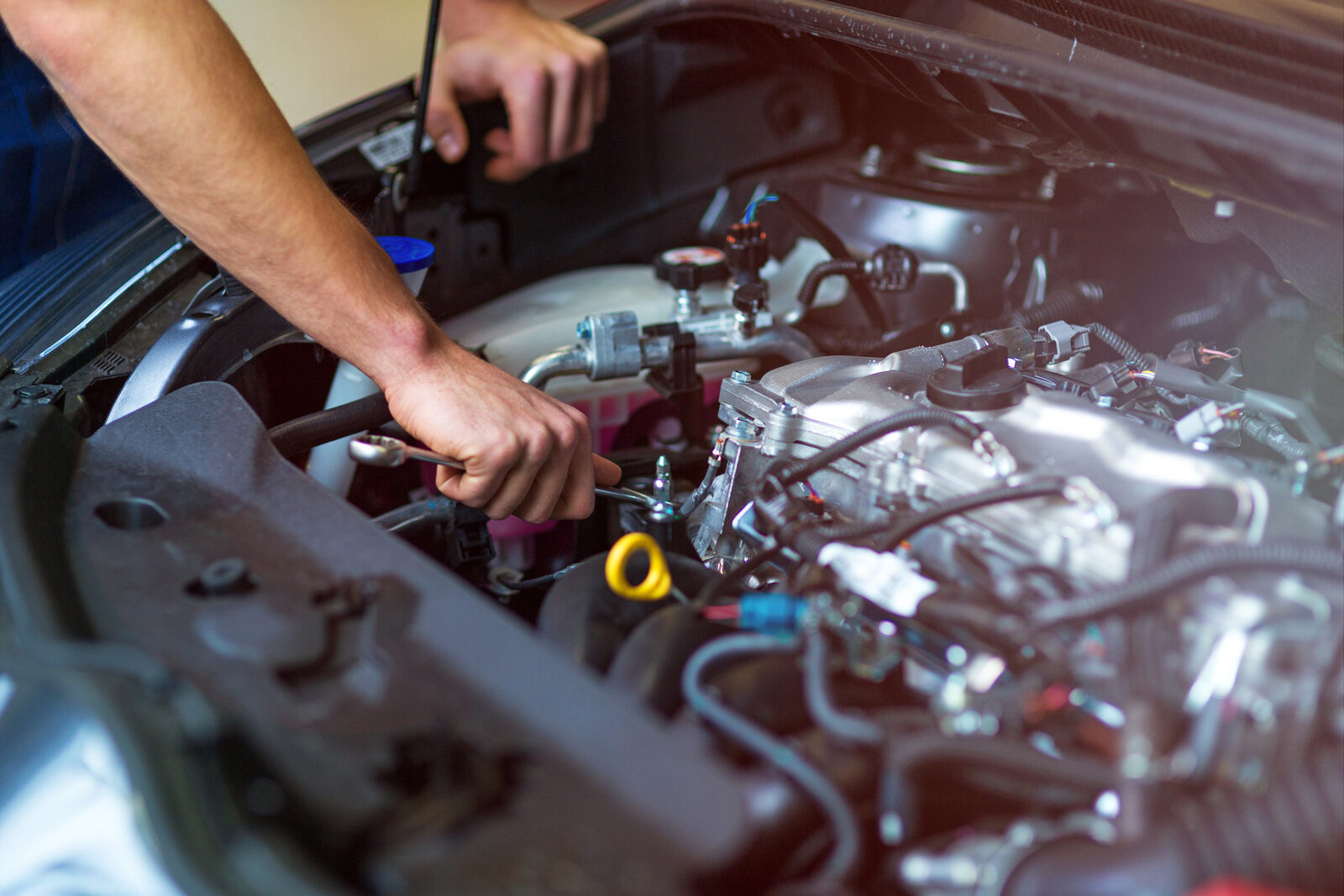
- Automotive service technician: vehicles, diagnostics, tools, and changing technology.
- Diesel technician: trucks, heavy equipment, fleet maintenance, and physically demanding work.
- Facilities maintenance: broad repair work across buildings, plumbing, electrical basics, and safety systems.
What Makes Repair Work Hard To Automate
Repair usually starts with messy reality: odd symptoms, old equipment, missing documentation, bad access, weather, customer constraints, and safety risks. AI can help diagnose, but a person still has to inspect, decide, repair, test, and stand behind the work.
Fit Questions
- Do you prefer precise electrical diagnosis or broad mechanical repair?
- Can you handle customer homes, industrial sites, clinics, or outdoor conditions?
- Do you want a route-based job, a shop, or one facility?
- Which tools and physical demands are realistic for you?
Best First Step
Search for helper, trainee, apprentice, and maintenance technician postings near you. The entry title matters less than whether it teaches a real system and leads to better-paid troubleshooting work.