
Best AI-resistant healthcare jobs without medical school
Healthcare is not automatically perfect, but many roles are more resilient because they involve licensed care, patient trust, equipment, safety, and in-person judgment.
Strong Paths To Compare
- Registered nurse: high responsibility, strong demand, and emotionally demanding work.
- Licensed practical nurse: a shorter direct-care path in many states.
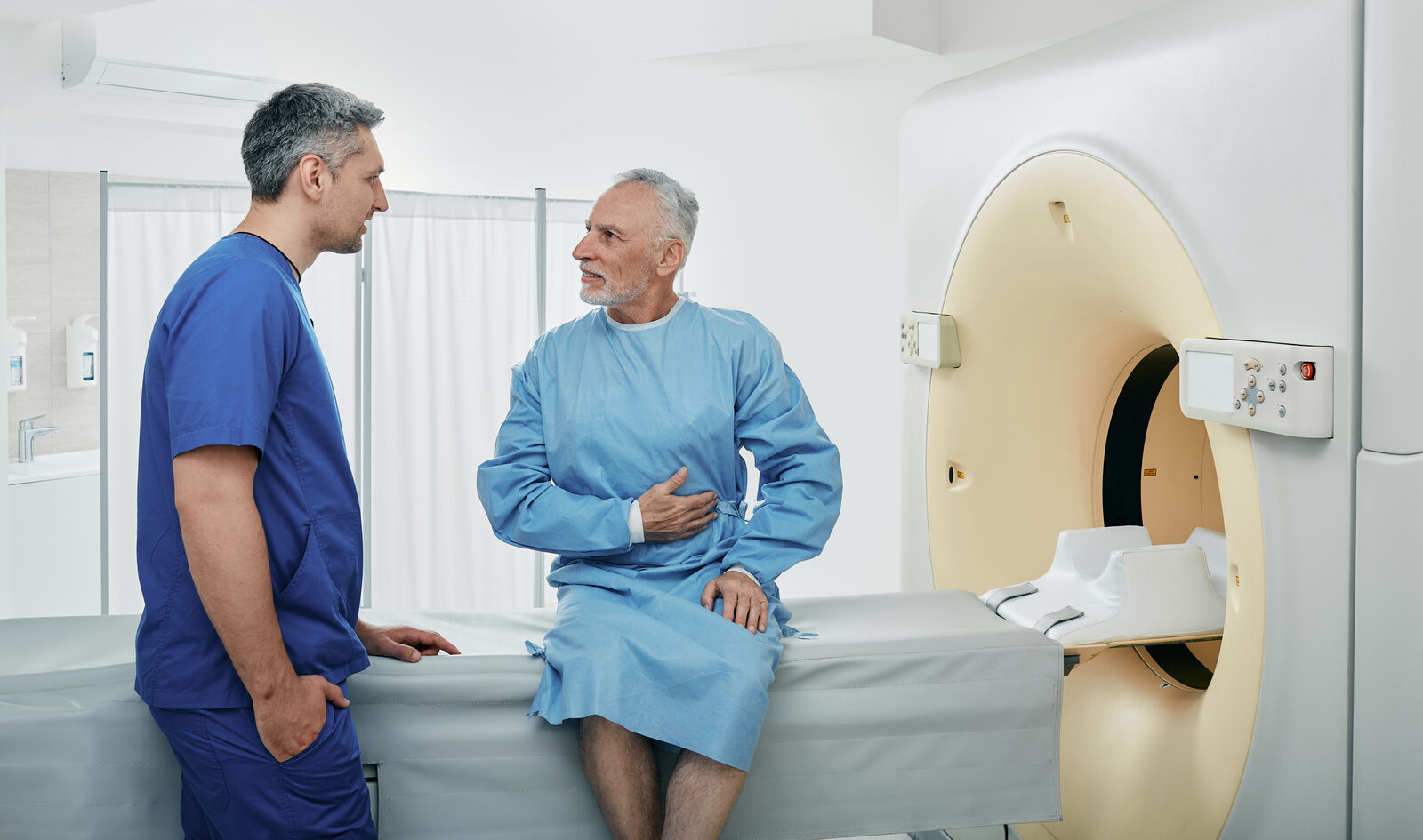
- Radiologic technologist: technical imaging work with patient positioning and safety protocols.
- Respiratory therapist: critical breathing support, often in hospitals and acute care settings.
- Dental hygienist: licensed preventive care with strong local service demand.
- Surgical technologist: operating room support, sterile technique, and procedure preparation.
- Physical therapist assistant: hands-on rehabilitation under a physical therapist.
- Medical equipment repairer: healthcare-adjacent technical repair with less direct patient care.
How To Pick A Healthcare Path
Start with the kind of patient contact you can handle. Some people prefer brief technical interaction, like imaging. Others want ongoing care, like nursing or therapy support. Some want healthcare stability with less bedside intensity, like equipment repair.
Watch The Tradeoffs
- Licensing requirements vary by state.
- Clinical programs can be competitive and may include unpaid rotations.
- Healthcare schedules can include nights, weekends, or holidays.
- Emotional strain is real, especially in acute care.
Best First Step
Visit the websites for two local community colleges and three local hospitals. Compare which programs feed into actual openings near you, then check state licensing before enrolling.